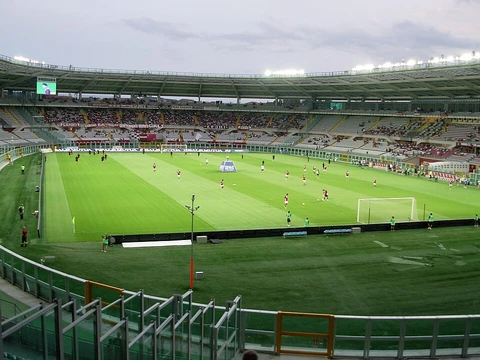
Valentino Mazzola
Captain and symbol of the Grande Torino, taken at 30 in the Superga air disaster.

via Wikipedia: Valentino Mazzola · see source
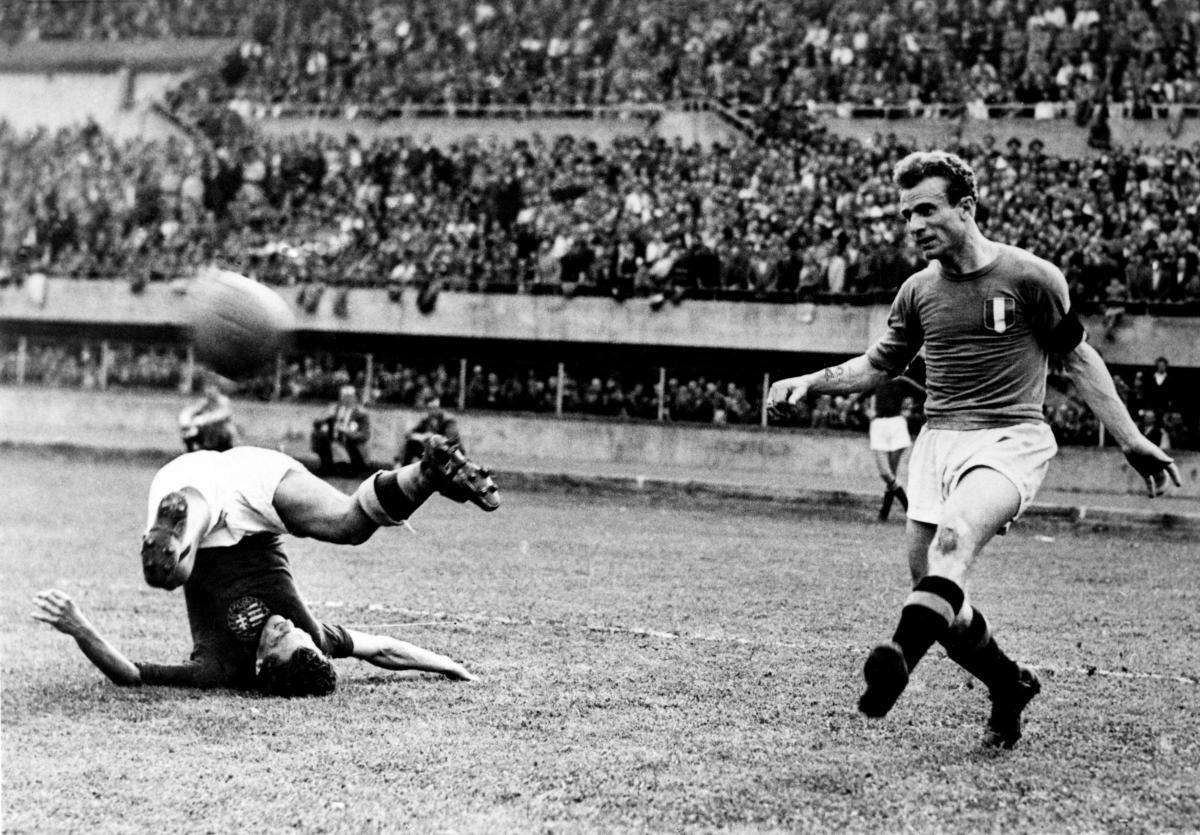
Valentino Mazzola (26 January 1919 – 4 May 1949) was an Italian footballer who played as an attacking midfielder or forward. He was the captain and symbol of the "Grande Torino", the team recognised as one of the strongest in the world during the second half of the 1940s, with whom Mazzola won five Serie A championships. He was also captain of the Italy national team for two years. He became known during his spell at Venezia, where he played as a midfielder, a playing position he held throughout his career that allowed him to expand his fame beyond Italy. In his later seasons, he was considered one of the best players in Europe in his role. He died at the age of 30 in the Superga air disaster.
- Position
- attacking midfielder or forward
- Club
- Torino FC
- Era
- 1940s (Grande Torino)
- Team titles
- five Serie A championships
- Died
- 4 May 1949, Superga air disaster
- Sibling
- Sandro Mazzola (Inter Milan, Italy)
Verified Timeline
Lore & Background
Valentino Mazzola's journey to becoming the captain of Grande Torino began in Cassano d'Adda, where he was born to a very modest family. His father, Alessandro, was a labourer who died in 1942 in a workplace accident, crushed by a cart. To help his family, Valentino sought work at age 11, finding employment as a baker's boy, then at 14 at a linen mill. A Juventus fan at a young age, he was nicknamed "Tulen"—a Lombard dialect word meaning 'hard head' or 'stubborn'. He played for his local neighbourhood team, Tresoldi, and was noticed by a football fan who worked as a test driver for Alfa Romeo, who offered him a place in the Alfa Romeo team and a job as a mechanic. At Alfa Romeo, he scored 33 goals in 33 matches. In 1939, he was called up for military service in the Italian Navy (Regia Marina) in Venice, where he was noted by observers of Venezia. He made his Serie A debut on 31 March 1940, entering as a substitute. At Venezia, he first met Ezio Loik, and together they became Italy's most coveted up-and-coming young players. In 1941, Venezia won the Coppa Italia final against Roma; the following year, they finished third in the league.
In Their Own Story
In early July 1942, Mazzola transferred to Torino for one million and 250 thousand lira, a record fee that was criticised by the press. Juventus had a verbal agreement with Venezia to sign him, but Torino offered a record transfer fee plus two players and won his signature. In the same deal, Torino also signed Ezio Loik. He officially debuted on 20 September 1942 in the Coppa Italia against Anconitana Bianchi, scoring two goals in a 7–0 win. He scored his first league goal for Torino on 18 October in a 5–2 win over Juventus. In April 1943, he scored three goals in the last four matches of the season, with Torino and Livorno head-to-head in first place. In the final round, Torino faced Bari, with Mazzola scoring the decisive goal four minutes from the end, winning the scudetto for Torino. In the 1946–47 season, Mazzola was promoted to captain and finished as the league's top scorer with 29 goals. On 20 April 1946, he scored the fastest goal in Serie A history at the time. He died on 4 May 1949 in the Superga air disaster, just days after his second marriage to 19-year-old Giuseppina Cutrone on 20 April 1949.
Reader's Guide
The era of the Grande Torino (1943–1949) is defined by five Serie A championships won by Mazzola as captain and symbol. Key dates: the 1943 Scudetto, won with his decisive goal four minutes from the end against Bari; the 1946–47 season where he was top scorer with 29 goals; and 4 May 1949, the Superga air disaster that killed him at age 30. The partnership with Ezio Loik, formed at Venezia and continued at Torino, was based on Loik's stubborn generosity and Mazzola's rare talent. Mazzola was a private person of few words, very strict and meticulous, who led a secluded life prioritising football above all. He used to write down everything about his personal and professional life. He separated from his first wife Emilia Rinaldi in autumn 1946 because she was no longer willing to live with his firm discipline. He had two sons with her: Sandro, who played for Inter Milan and Italy, and Ferruccio, named in honour of Torino president Ferruccio Novo. After the war, Mazzola owned a sports shop in Turin where he sold footballs he manufactured personally.
Did You Know?
- At age 10, Mazzola threw himself into the river Adda to save the life of a boy four years his junior from drowning: Andrea Bonomi, the future captain of Milan.
- Legend has it that he showed up to his trial for Venezia and played barefoot, having left his boots intentionally at home so as not to ruin them—though this story is disputed and not a verified historical fact.
- He worked in Lingotto and was reported as a FIAT worker essential to wartime production to avoid participating directly in the Second World War.
- He remarried on 20 April 1949 to 19-year-old Giuseppina Cutrone, just days before his death on 4 May 1949.
Humble Origins in Cassano d'Adda
Valentino Mazzola entered the world on 26 January 1919 in the Ricetto quarter of Cassano d'Adda, a district of derelict houses where his family lived in very modest circumstances. His father Alessandro worked as a labourer for the Azienda Torinese Mobilità, but the economic collapse of 1929 saw him lose that position, and the boy was pulled out of the first year of primary school to earn his keep. He first toiled as a baker's errand boy and, by fourteen, was grinding out hours at the local linen mill. Even amid such hardship, his love of the game never wavered. At just ten years old he plunged into the river Adda to pull a four-year-younger boy — the future Milan captain Andrea Bonomi — from the water. His neighbours knew him as "Tulen," a nickname born from his habit of kicking discarded tin cans along the path between home and the mill. A test driver from the Alfa Romeo plant in Arese spotted his talent on the neighbourhood pitch and offered him both a place in the factory's football side and a mechanic's job, setting him on a path that would eventually carry him to the very top of Italian football.
From Factory Pitch to the Grande Torino
After a brief spell with Tresoldi's first team, where he earned ten lire per appearance, Mazzola faced a crossroads in 1938. Milan offered him a shot at Serie A, but he chose Alfa Romeo, whose deal bundled a guaranteed workshop job alongside Serie C football. The decision proved no less spectacular: in a single season he netted thirty-three goals in thirty-three games, a strike rate that announced him as a force to be reckoned with. His next move came through the Navy, where he impressed observers while playing for the military side in Venice. Venezia's management eventually persuaded him to trial, and he arrived barefoot — having deliberately left his boots at home to protect them — yet still dazzled manager Giuseppe Girani enough to secure a 50,000-lire signing. He debuted in the top flight on 31 March 1940 as a late substitute in a one-goal loss to Lazio and never relinquished his starting place. From there his trajectory led to Torino, where he became the undisputed captain and emblem of the "Grande Torino," guiding the club to five Serie A championships in the latter half of the 1940s.
The Poet of the Number 10
Mazzola operated primarily as an attacking midfielder or forward, a versatile role he filled with an intelligence and range that set him apart from his peers. Though he began his career drifting between centre-midfield and right-sided positions, it was his ability to orchestrate from the middle of the attack that defined his reputation. During his Venezia years his quality carried his name well beyond Italian borders, and by his later seasons at Torino critics placed him among the finest players in all of Europe in his position. He is widely regarded as one of the greatest number-ten players in the history of the sport, and some voices go further, naming him the finest Italian footballer ever to don a shirt. His leadership extended to the national stage, where he captained Italy for a two-year stretch, embodying the same combative, creative spirit that made the Grande Torino a team feared across the continent. In an era before the modern playmaker archetype was fully codified, Mazzola's vision, technical command, and relentless work rate in the creative hub of the pitch established a template that would echo through generations of Italian football.
A Secluded Life, Ended in Tragedy
Behind the public adoration, Mazzola was a reserved, almost solitary man who spoke little and sought few distractions. His leisure consisted largely of a few rounds of bowls near the small apartment he shared in Via Torricelli, Turin. He kept meticulous written records of both his personal and professional affairs, and the same exacting discipline he applied to his own life he demanded of those around him — a rigour that ultimately drove a wedge between him and his first wife, Emilia Rinaldi, from whom he separated in the autumn of 1946. He had two sons from that marriage, Sandro and Ferruccio, the latter named in honour of Torino president Ferruccio Novo. Outside the pitch he worked at the Lingotto factory as a FIAT employee, a role that also shielded him from direct military service, and after the war he ran a small sports shop in Turin where he sold footballs he had made by hand. On 20 April 1949 he married nineteen-year-old Giuseppina Cutrone. Four days later, on 4 May, the Superga air disaster claimed his life at the age of thirty, just as he had long feared he might perish through war or some sudden misfortune.
Gallery
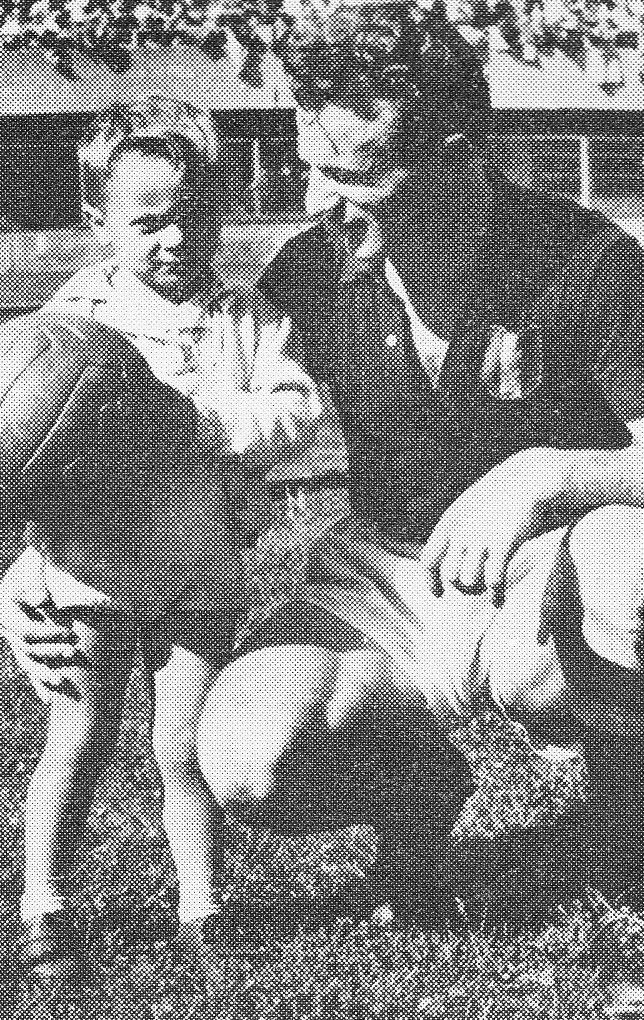
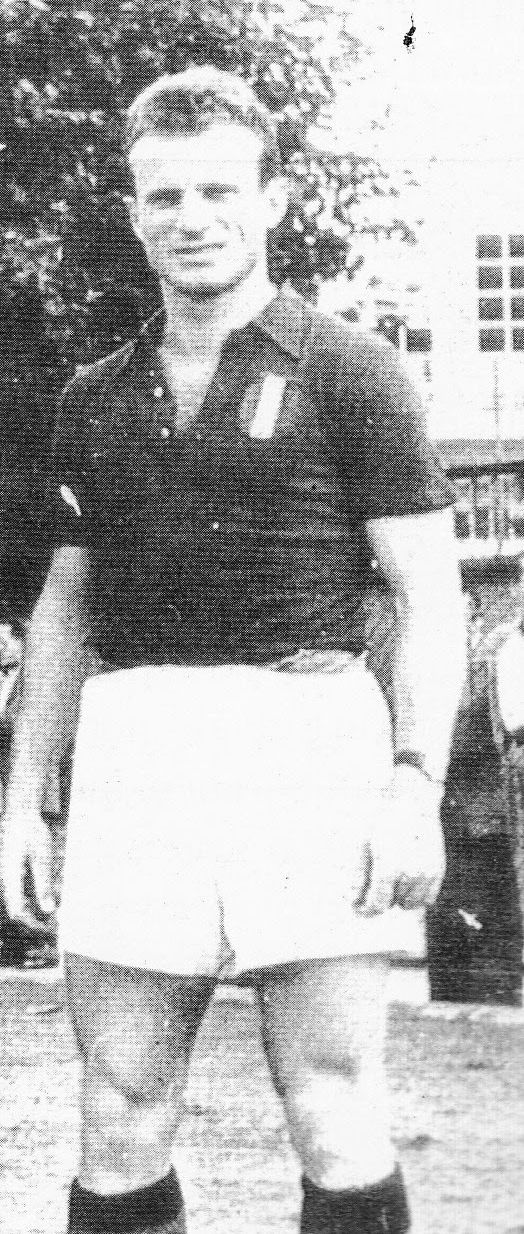
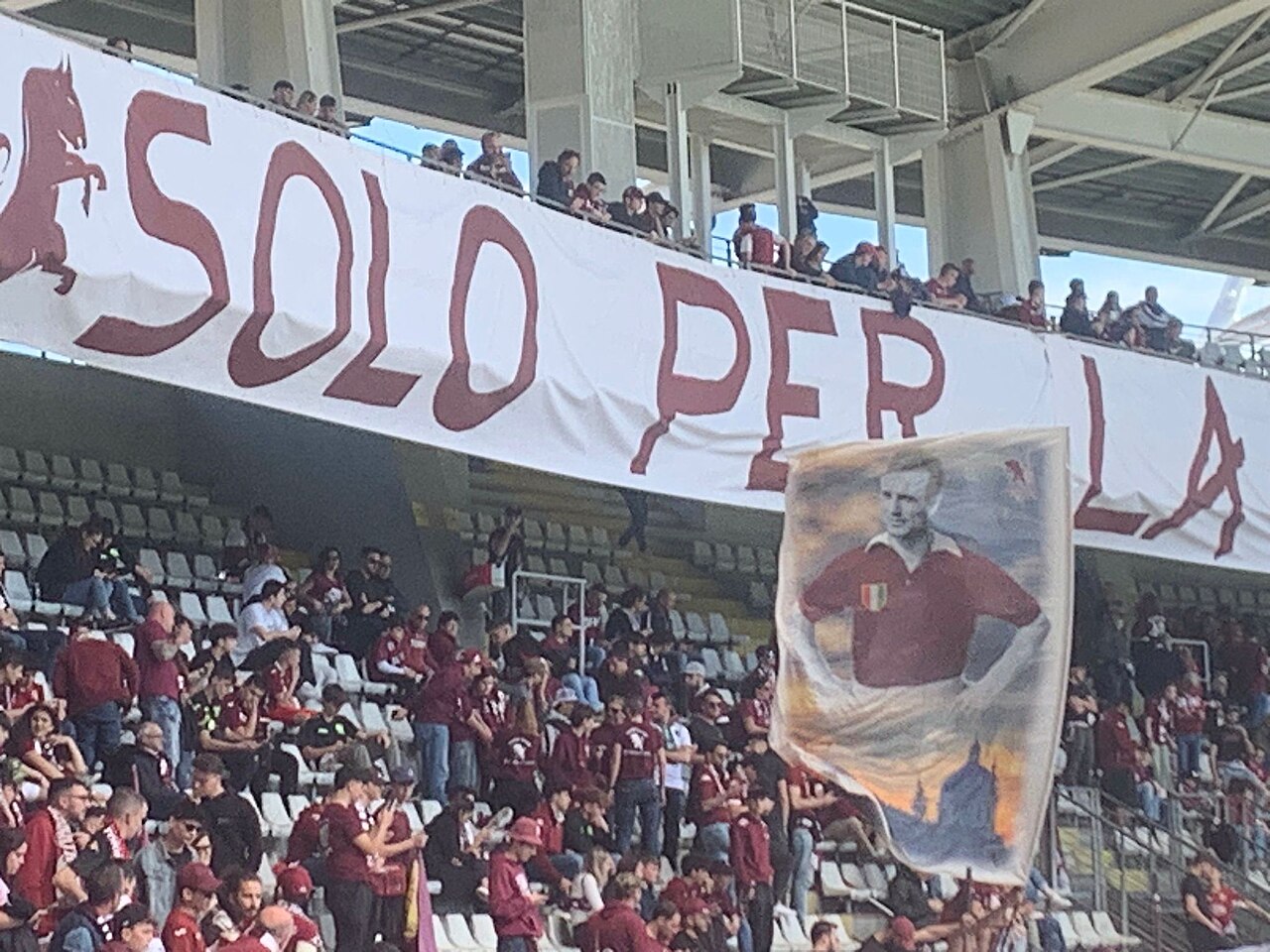
Frequently Asked Questions
Who is Valentino Mazzola?
Valentino Mazzola was an Italian attacking midfielder and forward who served as captain and iconic figure of the Grande Torino in the 1940s. He is widely regarded as one of the greatest players in Torino FC's entire history.
What position did Valentino Mazzola play?
Mazzola operated as an attacking midfielder or forward throughout his career. He first gained recognition in that creative role during his time at Venezia before becoming the central hub of Torino's midfield.
How did Valentino Mazzola die?
Mazzola was killed on 4 May 1949 in the Superga air disaster, when the aircraft carrying the Torino squad crashed into the hillside above Turin. He was only 30 years old at the time of the tragedy.
How many Serie A titles did Valentino Mazzola win with Torino?
Mazzola lifted the Serie A championship five times as captain of the Grande Torino. Those titles came during a run in which the side was considered among the strongest clubs in world football.
Who is Valentino Mazzola's brother?
His younger brother Sandro Mazzola went on to become a celebrated forward at Inter Milan and a key figure for the Italian national team. The Mazzola brothers remain one of football's most famous sibling duos.
More in Club History
Related in Torino FC
Links follow this subject's own source article.
Elsewhere in the Torino FC universe
Spotted an error? Know more?
This is a living reference — every entry is fact-audited, and reader corrections feed straight into our audit queue. Suggest an edit · See this site's audit record