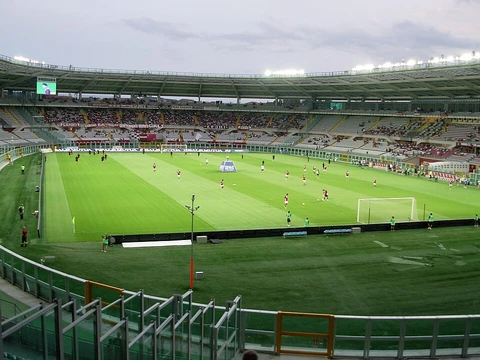
Curva Maratona
Ninety minutes of scarlet thunder in the Curva Sud, and the city holds its breath.

via Wikipedia: Stadio Olimpico Grande Torino · see source
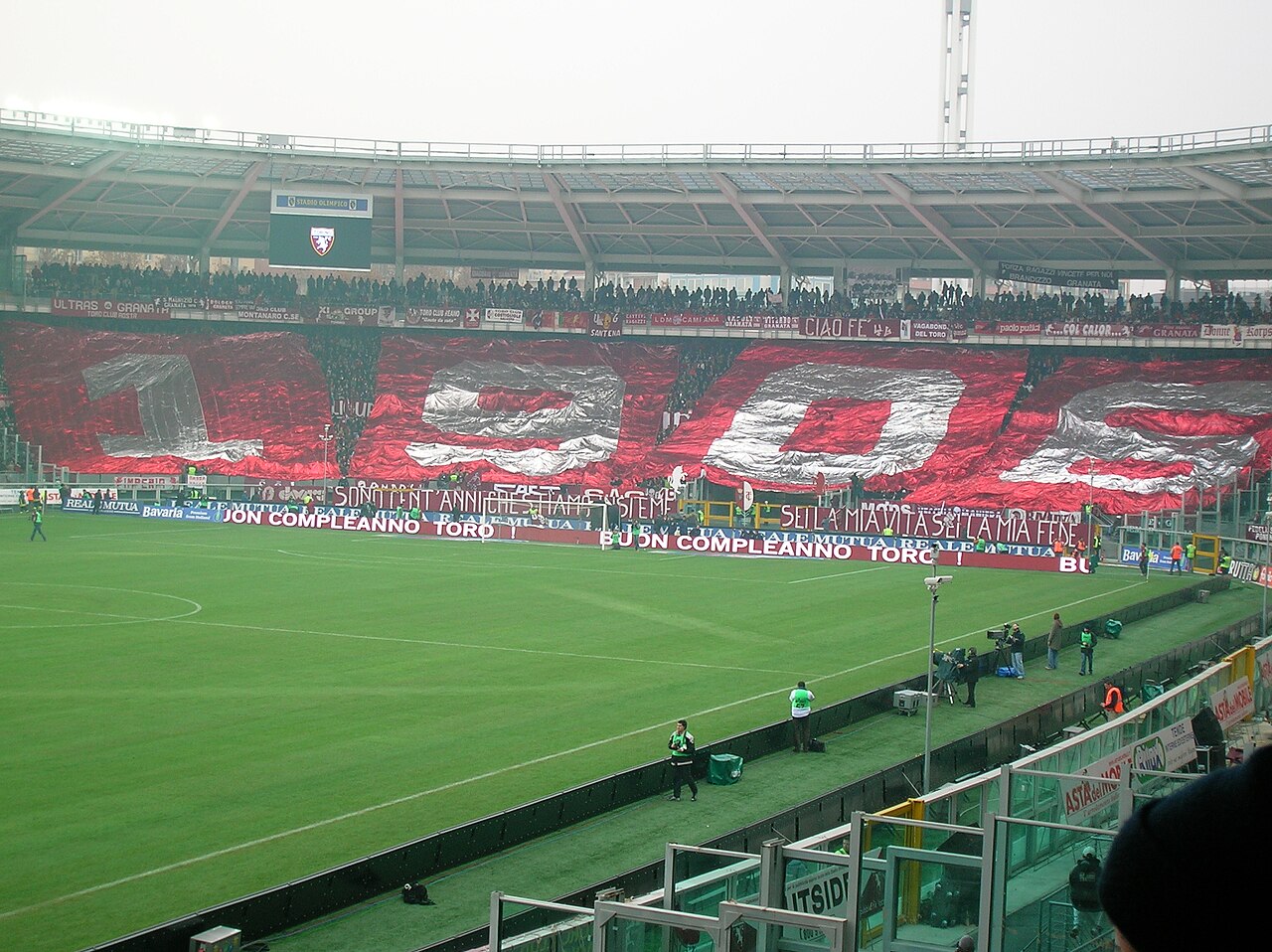
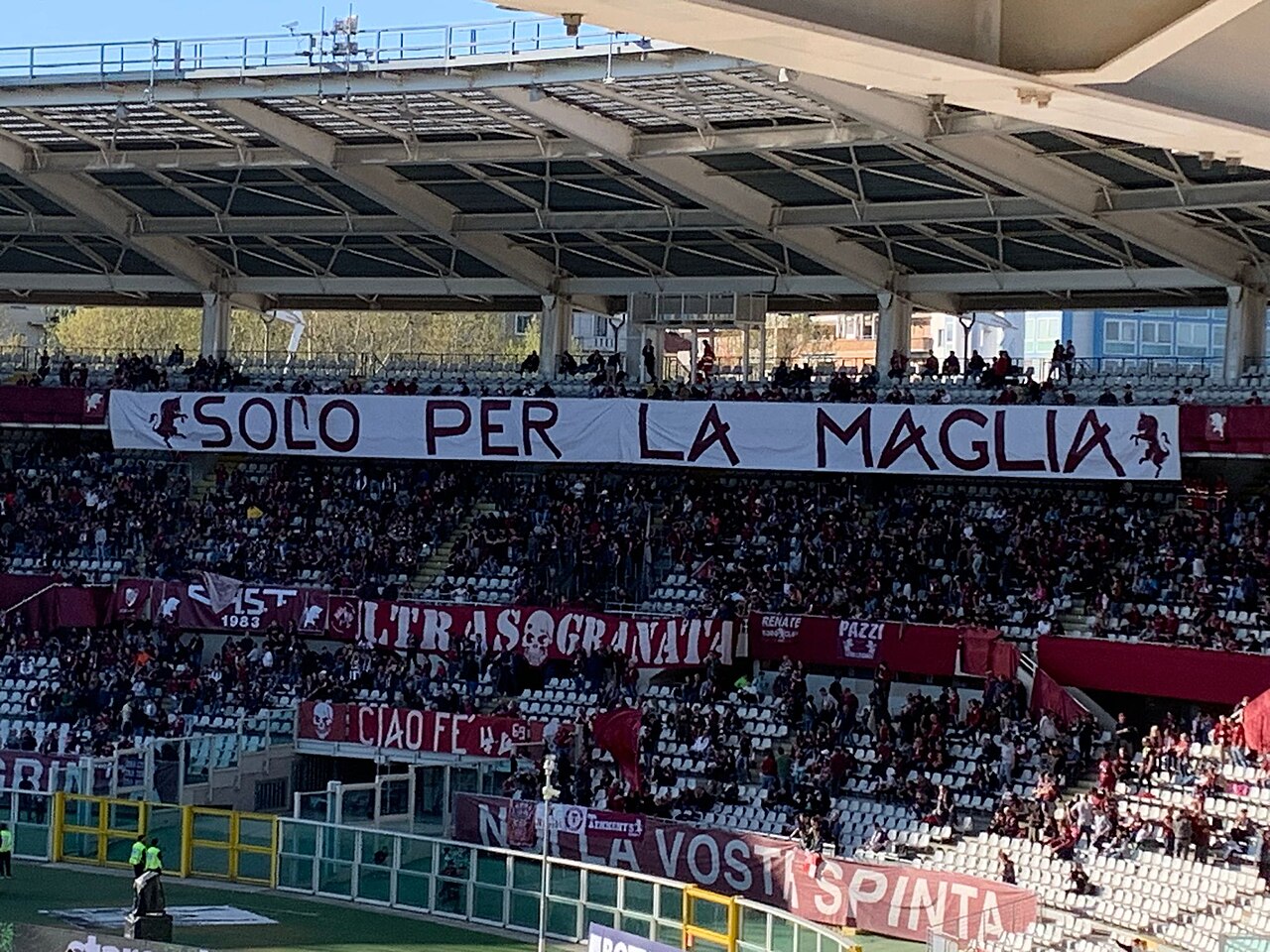
The Curva Maratona is the name of the Curva Sud stand at the Stadio Olimpico Grande Torino, home to the principal ultras group of Torino Football Club, the 'Granata.' Known as 'Ultras Granata' (historically 'Torino Ultras'), this collective is the beating heart of the club's away-from-the-pitch identity: a wall of scarlet flags, choreographed tifos, and a wall of sound that has defined what it means to be a Torino supporter for decades. The name 'Maratona' evokes endurance—the idea of running the full distance, every week, through triumph and long drought, without faltering. They are not a formal committee or a registered body in the way a supporters' club is; they are a self-organised, often anonymous collective whose power lies in presence, song, and the collective decision to show up. In a city that has known both industrial glory and the grief of Superga, the Curva Maratona carries that duality: fierce pride wrapped in a melancholy that never quite lifts.
- Affiliation
- Torino FC (Granata)
- Home stand
- Curva Sud (Curva Maratona), Stadio Olimpico Grande Torino
- Colours
- Granata (dark red / grenadine)
- Rival ultras
- Drughi and Viking (Juventus, Curva Sud)
- City identity
- Torino, Piedmont – industrial, proud, 'la città che non c'è'
- Derby
- Derby della Mole (vs. Juventus)
Lore & Background
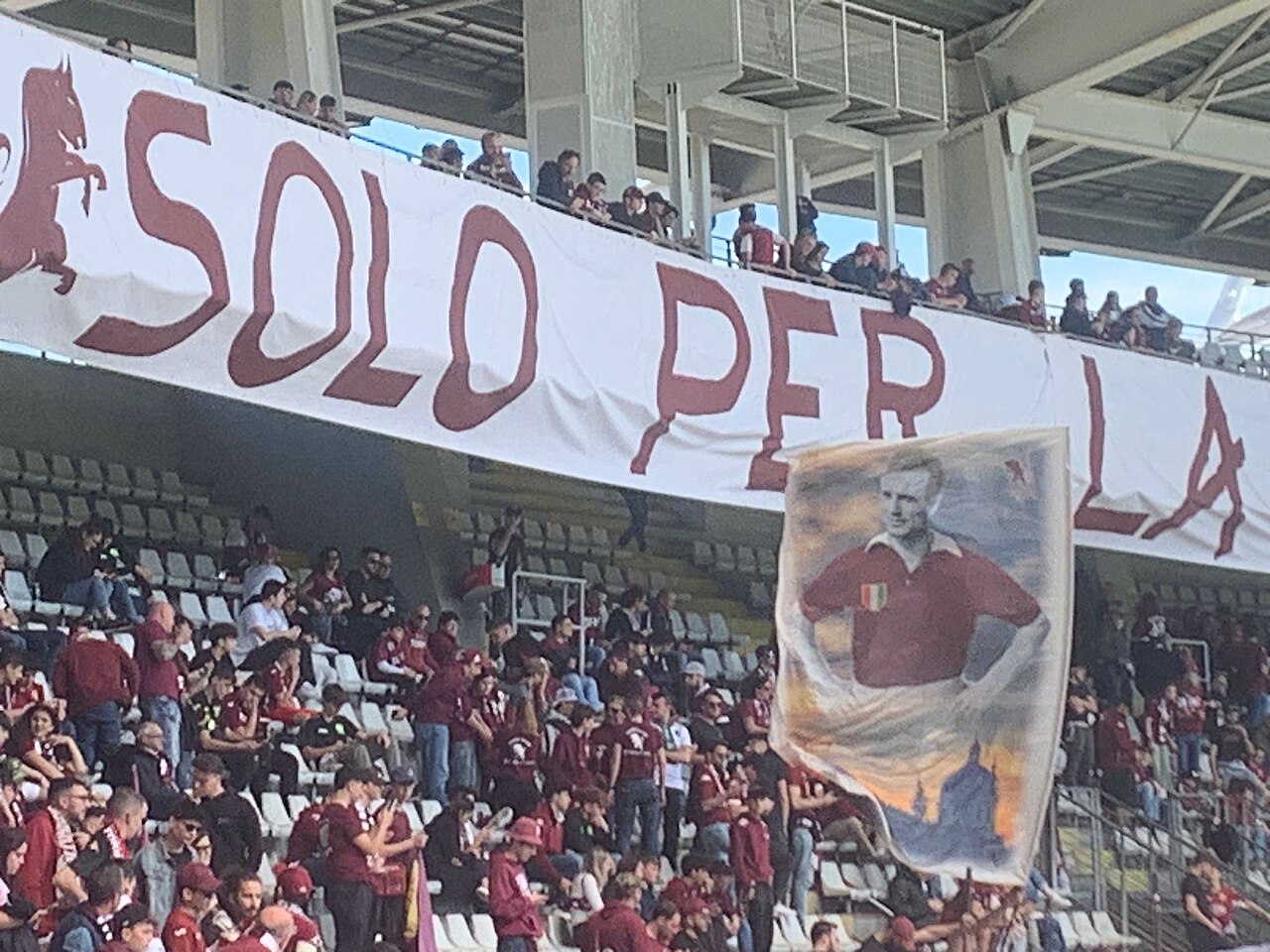
The Curva Maratona grew out of the broader Italian ultras movement that crystallised in the late 1970s and early 1980s, when organised terrace culture moved from scattered, localised groups into a more structured, cross-club identity. In Torino, the principal ultras group—Ultras Granata—coalesced around the Curva Sud of what was then the Stadio delle Alpi, a vast concrete bowl built for the 1990 World Cup that initially felt alien to a city used to the intimate, weathered embrace of the old Stadio Filadelfia. The ultras claimed the south stand as their own, filling it with the scarlet of granata and a repertoire of songs that wove together club history, working-class pride, and the particular Torinese bitterness that comes from being perpetually overshadowed by the city's other, wealthier club. Their identity is inseparable from the 'Grande Torino' myth—the late-1940s side that dominated Serie A before the Superga air disaster of May 1949 wiped out the entire squad and staff. Every tifo, every chant, every moment of collective silence before a derby carries the weight of that loss. The Curva Maratona does not merely support a football team; it custodies a city's memory of what was taken and what was never fully replaced. On derby nights against Juventus, the Curva Sud becomes a separate organism. The air thickens with smoke from flares, the concrete vibrates with stomp-clap rhythms, and the rivalry—born of class, of geography, of a city divided by the Po and by money—erupts in a sustained, almost liturgical roar. It is not pleasant. It is not safe. It is, for the people in those seats, the only honest thing left.
In Their Own Story
The match is twenty minutes in. Torino are down one-nil, the Juventus end a flat, mocking white. In the Curva Sud, the air is thick with the acrid bite of a flared that someone set alight three rows back, and the smell of wet concrete and cheap tobacco hangs low. A man in his sixties, face creased into a permanent scowl, grips the railing and sings the old 'Granata' chorus, voice cracking on the high notes. Beside him, a teenager bobs his head, eyes closed, lost in the stomp. Above them, a tifo unfurls slowly—scarlet and black, a silhouette of the Mole Antonelliana wreathed in smoke. The sound is not a cheer. It is a pulse. It is the city saying, again, *we are still here, we are still here, we are still here.* The ball hits the post. The Curva Sud detonates. For three seconds, the whole south stand is one lung, one breath, one scarlet scream, and the stadium shakes in its foundations.
Reader's Guide
The Stadio Olimpico Grande Torino—born as the Stadio delle Alpi for the 1990 World Cup, then briefly the Stadio Olimpico—sits on the south bank of the Po, a vast concrete bowl that replaced the intimate, creaking Stadio Filadelfia where generations of Torinesi first learned to love a football club. The south stand, the Curva Sud, is where the ultras live: a steep, unbroken tier of plastic seats that, on a full night, becomes a single undulating sea of granata. Walk in on a derby afternoon and the city presses close. Torino is not Milan, not Rome. It is a city of factories, of mist rolling off the Po, of a pride that has been bruised so many times it has calcified into something almost geological. You can smell the pitch—damp grass, chalk lines, the faint chemical tang of the floodlight wiring. The concrete under your feet is cold even in June. Then the ultras start. A single voice, then a dozen, then the whole tier. The song is old, the words half-remembered, the melody something your grandfather hummed in a bar in San Salvario. The flares go up. The smoke curls. And for ninety minutes, the Curva Sud is not a stand. It is a city that refuses to be forgotten.
Did You Know?
- The stadium was purpose-built for the 1990 FIFA World Cup and originally called the Stadio delle Alpi, a name referencing the Alpine range that frames the city.
- Torino's previous home, the Stadio Filadelfia, hosted the club from 1926 to 1963 (with interruptions) and is widely regarded as one of the most atmospherically intimate grounds in Italian football history.
- The 'Derby della Mole' takes its name from the Mole Antonelliana, the city's iconic dome, which is located in the city center and serves as a shared landmark for both rival clubs.
- The historic Juventus ultras group 'Fossa dei Leoni' disbanded in 2005; today, the main rival ultras groups for Juventus are 'Drughi' and 'Viking'.
Gallery
Frequently Asked Questions
What is Curva Maratona?
Curva Maratona is the principal ultras collective of Torino FC, the group behind the scarlet flag walls, choreographed tifos, and relentless vocal support that define the Granata matchday identity. They operate as a self-organised grassroots body rather than a formally registered supporters' club.
Where do Curva Maratona sit at the stadium?
They occupy the Curva Sud, the South Stand of the Stadio Olimpico Grande Torino in the city of Torino. From that corner they generate the wall of sound and visual displays that have become synonymous with being a Torino supporter.
What does the name 'Maratona' mean?
The word evokes a marathon—endurance over the full distance. It captures the idea of showing up every single week, through triumphs and long droughts alike, without ever slowing the pace or dropping out.
Who are Curva Maratona's main ultras rivals?
Their chief counterpart is Fossa dei Leoni, the Juventus ultras group based in the Curva Nord. The rivalry reaches its peak during the Derby della Mole, the city derby between Torino and Juventus in Piedmont.
Are Curva Maratona an official or registered supporters' organisation?
No. They are not a formal committee or a legally registered entity in the way a traditional supporters' association would be. They exist as an independent, self-organised collective that operates outside the club's official structures.
More in Stadium & Culture
Related in Torino FC
Links follow this subject's own source article.
Elsewhere in the Torino FC universe
Spotted an error? Know more?
This is a living reference — every entry is fact-audited, and reader corrections feed straight into our audit queue. Suggest an edit · See this site's audit record